Need assistance? Call us at : 0704328523

-1% Off
Compare
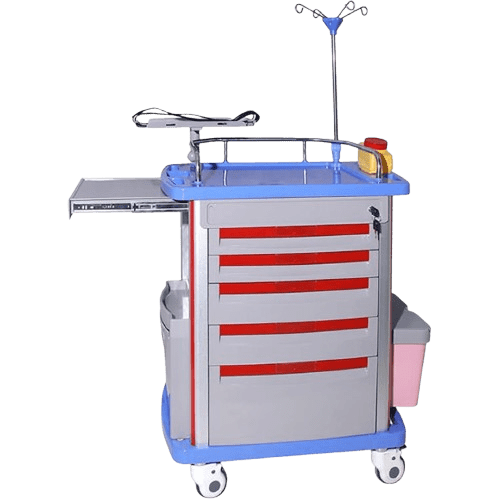
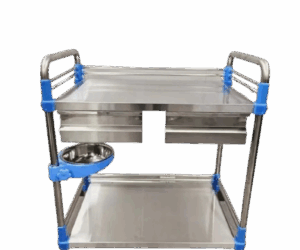
Medical crash cart in Kenya.
Original price was: KSh 76,000.00.KSh 75,000.00Current price is: KSh 75,000.00.
Buy hospital crash carts for emergency response. Durable, mobile, and fully equipped for rapid access to life-saving medical supplies and equipment.
Description
Description
A medical crash cart (also known as a code cart or emergency cart) is a specially equipped wheeled cabinet used in hospitals and other healthcare settings to provide quick access to essential emergency medications, equipment, and supplies needed during life-threatening situations—especially during cardiac arrest, respiratory failure, or other “code blue” emergencies.
A hospital crash cart (also known as a code cart or resuscitation trolley) is a mobile unit equipped with essential medical supplies and equipment used during medical emergencies, particularly for resuscitation efforts such as cardiac arrest or respiratory failure. It allows healthcare professionals to quickly access life-saving tools and medications at the point of care.
Medical Crash Cart – Emergency Trolley for Critical Care in Kenya
The Medical Crash Cart supplied by Doctor Ally East Africa is a fully equipped emergency trolley designed to store, organize, and provide rapid access to life-saving equipment and medications during medical emergencies. This essential hospital unit is commonly used in emergency rooms, intensive care units (ICU), operating theatres, and wards across Kenya and East Africa.
Engineered for efficiency and quick response, the crash cart ensures that healthcare professionals can act immediately during critical situations.
Key Features of the Medical Crash Cart
✔ Multiple lockable drawers for organized storage
✔ Durable stainless steel or high-grade ABS construction
✔ Smooth-rolling caster wheels with locking mechanism
✔ Integrated defibrillator shelf and IV pole
✔ Oxygen cylinder holder and accessory mounts
✔ Clearly labeled compartments for quick access
✔ Easy-to-clean surface for infection control
Clinical Applications
Medical crash carts are essential in:
- Emergency resuscitation procedures
- Cardiac arrest response and advanced life support
- Intensive care unit (ICU) patient management
- Operating theatre emergency readiness
- Hospital emergency departments
They are critical in managing life-threatening conditions such as Cardiac Arrest, Respiratory Failure, and severe trauma cases.
Benefits for Healthcare Facilities in Kenya
- Enables rapid response during medical emergencies
- Improves organization of emergency equipment
- Enhances efficiency of healthcare teams
- Durable and suitable for high-demand environments
- Essential for hospitals, clinics, and critical care units
Technical Specifications (May Vary by Model)
- Product Type: Emergency crash cart trolley
- Material: Stainless steel or ABS plastic
- Drawers: Multiple lockable compartments
- Mobility: Swivel caster wheels with brakes
- Accessories: IV pole, oxygen holder, defibrillator tray
- Application: Emergency and critical care use
Why Buy Crash Carts from Doctor Ally East Africa?
- Trusted hospital emergency equipment supplier in Kenya
- High-quality critical care and emergency equipment
- Competitive pricing for healthcare institutions
- Bulk supply and customization options available
- Fast delivery within Nairobi and across East Africa
Order Medical Crash Carts in Kenya Today
Doctor Ally East Africa supplies reliable medical crash carts in Kenya designed to support fast, efficient, and life-saving emergency response in healthcare facilities.
📞 Contact us today +254704328523 for pricing, bulk orders, and nationwide delivery across Kenya and East Africa.
Key Features:
Mobility: Equipped with wheels for easy transport to emergency sites.
Organization: Contains drawers or shelves for organized storage of medications, airway management tools, and other emergency supplies.
Accessibility: Designed for quick access to critical equipment during emergencies.
Common Contents:
Medications: Epinephrine, atropine, lidocaine, and other drugs used in resuscitation.
Airway Management Tools: Endotracheal tubes, laryngoscopes, and suction devices.
Monitoring Equipment: ECG monitors and defibrillators.
IV Supplies: Intravenous fluids and administration sets.
The specific contents and organization of a crash cart can vary among hospitals, but they are typically standardized to ensure readiness during emergencies. Wikipedia
🔧 Key Features of a Medical Crash Cart
1. Mobility
Wheels/Casters: High-quality, often locking wheels allow for fast transport to the patient.
Compact Design: Fits in tight clinical spaces, such as ICU rooms or emergency bays.
2. Color-Coding and Organization
Drawer Labels: Clear labels or color-coded drawers for quick identification.
Standardized Layout: Arranged uniformly across a hospital to reduce delay during use.
3. Essential Equipment
Defibrillator: Often mounted on top or stored in an accessible area.
Oxygen Tank & Mask: Portable oxygen supply for resuscitation.
Bag Valve Mask (BVM): For manual ventilation of the patient.
Suction Unit: To clear airways.
4. Emergency Medications
Commonly includes:
Epinephrine
Atropine
Amiodarone
Naloxone
Adenosine
Magnesium sulfate
Pre-filled syringes or vials for rapid use.
5. Airway Management Tools
Endotracheal Tubes (ETT)
Laryngoscope with blades
Oropharyngeal and nasopharyngeal airways
Stylets and bougies
6. IV/IO Access Supplies
IV catheters
Saline flushes
IV fluids
Intraosseous needles (for bone marrow access in emergencies)
7. Monitoring Equipment
Portable monitor (if not already attached to the patient)
ECG leads and pads
8. PPE and Miscellaneous Supplies
Gloves, masks, gowns
Scissors, tape, syringes
Sharps container
🛠 Maintenance and Checks
Daily or per-shift checks: Ensures the cart is stocked and functioning.
Seals or locks: Tamper-evident tags to show if the cart was used.
Expiry monitoring: Medications and supplies are regularly reviewed for expiration.
🚨 Purpose and Use
Used during Code Blue situations—when a patient experiences a life-threatening event like cardiac arrest.
Provides standardized, rapid-response care without wasting time locating supplies.
Reviews (0)
Related products
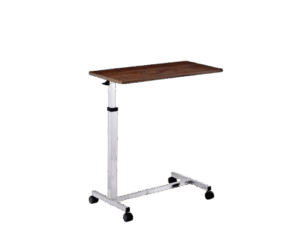
Medical Overbed feeding table Kenya.
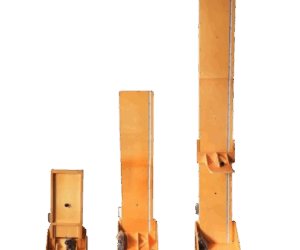
Original price was: KSh 9,700.00.KSh 9,500.00Current price is: KSh 9,500.00.Medical Wooden height board in Kenya.
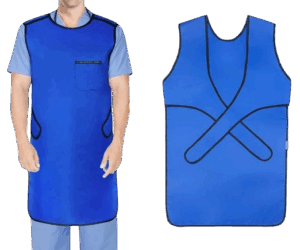
Original price was: KSh 11,600.00.KSh 11,500.00Current price is: KSh 11,500.00.Medical X-ray lead gown in Kenya.
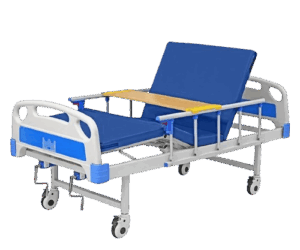
Original price was: KSh 15,500.00.KSh 15,000.00Current price is: KSh 15,000.00.Medical Two Crank hospital bed Kenya.
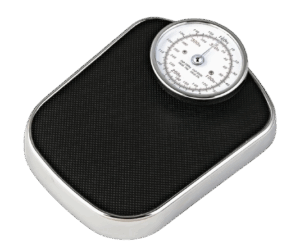
Original price was: KSh 35,500.00.KSh 35,000.00Current price is: KSh 35,000.00.Mechanical adult weighing scale in Kenya.
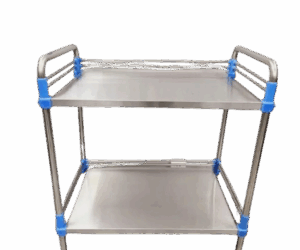
Original price was: KSh 5,000.00.KSh 4,999.00Current price is: KSh 4,999.00.Medical Hospital instruments trolley.
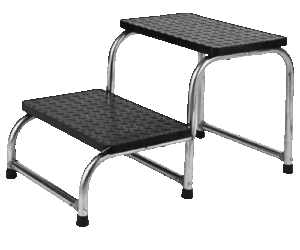
Original price was: KSh 9,600.00.KSh 9,500.00Current price is: KSh 9,500.00.Medical Step stool price in Kenya.
Original price was: KSh 3,550.00.KSh 3,500.00Current price is: KSh 3,500.00.Medical Hospital Dressing trolley.
Original price was: KSh 9,600.00.KSh 9,500.00Current price is: KSh 9,500.00.
Reviews
There are no reviews yet.