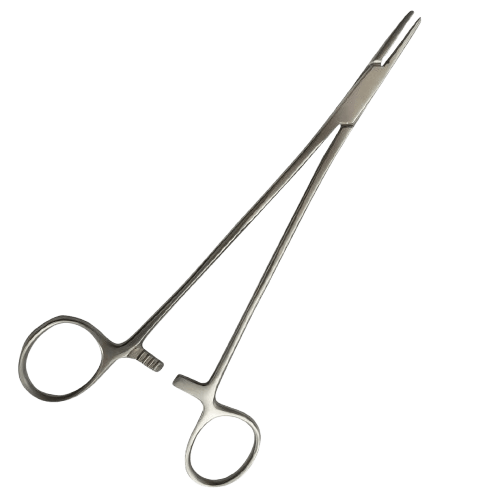
Basic dental clinic starter pack

Here’s a practical starter pack checklist to help you set up a basic dental clinic in Kenya — the essentials you’ll want before treating your first patient. I’ve grouped items into categories so it’s easier to plan your budget and ordering. This is based on common dental practice requirements and Kenyan supply inventories.


🪑 Core Clinical Equipment

These are must-have machines that allow you to perform basic dental treatments:

1. Dental Chair & Unit

  • Adjustable patient chair

  • Built-in instrument tray, suction, spittoon & controls
    🔹 Often the biggest single purchase for a clinic.

2. Operating Light

  • Bright LED overhead light for visibility during procedures.

3. Suction Machine

  • Removes saliva/blood during treatment.

4. Autoclave / Sterilizer

  • For sterilizing instruments between patients.

5. Curing Light

  • Hardens composite filling material.


🛠️ Essential Instruments

A basic set of hand instruments used daily:

  • Mouth mirrors

  • Explorers/probes

  • Tweezers/forceps

  • Scalers & curettes

  • Extraction forceps & elevators

  • Dental syringes & local anesthetic needles

These should be stainless steel and autoclavable.


🧪 Consumables & Materials

Regularly used materials you need to stock up on:

👉 Restorative materials

  • Composite resin, glass ionomer cement

  • Etching gel & bonding agents

  • Filling materials & temporary cements

👉 Impression & model supplies

  • Alginate/silicone

  • Impression trays (adult & child)

  • Plaster/stone

👉 Protective disposables

  • Gloves (various sizes), masks

  • Face shields / goggles

  • Sterilization pouches & surface disinfectants

👉 Other daily consumables

  • Cotton rolls, gauze, suction tips

  • Disposable cups, bibs, paper towels


🧰 Infection Control

Sterility and safety are critical in dental care:

  • Autoclave indicators / strips

  • Hand sanitizers / soap

  • Disinfectant sprays & wipes

  • Sharps containers & waste bins


🩺 Emergency & Support Items

For patient safety:

  • Blood pressure monitor & thermometer

  • Emergency drug kit (e.g., antihistamines, epinephrine, glucose)

  • Oxygen tank & mask (optional but recommended)


📋 Admin & Patient Flow Essentials

Running a clinic isn’t just treatment:

  • Patient chairs and reception desk

  • Computer or tablet for records & billing

  • Appointment & record-keeping software

  • Printer/scanner for forms and consent


📦 Where to Source Supplies in Kenya

You can find equipment and materials from doctor ally east africa medical suppliers, who often deliver nationwide:


💡 Budget Considerations (Rough Ballpark)

Expect significant variation depending on brand and quality:

  • Dental chair & unit: Often a major cost item — hundreds of thousands of KSh.

  • Essential machines (autoclave, suction, curing light): Tens of thousands of KSh each.

  • Consumables & instruments: Budget based on initial stock — could range from tens to 100k+ KSh depending on volume and variety.

How to choose lab equipment for clinics.

How to choose lab equipment for clinics

Choosing the right laboratory equipment for a clinic is critical for accurate diagnosis, patient safety, regulatory compliance, and cost control. Below is a clear, step-by-step guide tailored for small–medium clinics in Kenya & East Africa (Levels 2–4).


🧪 How to Choose Laboratory Equipment for Clinics

1️⃣ Define Your Clinic Level & Test Menu (MOST IMPORTANT)

Start with what tests you will actually run.

Ask yourself:

  • What services does the clinic offer now?

  • What tests are ordered daily/weekly?

  • Will you expand in the next 12–24 months?

Typical Test Menu by Clinic Level

Clinic Level Common Tests
Level 2 (Dispensary) Malaria RDT, Urinalysis, Pregnancy test, Blood glucose
Level 3 (Health Centre) Full Hematology, Urinalysis, Stool, HIV, Blood sugar
Level 4 (Hospital) Hematology, Biochemistry, Serology, Microscopy

➡️ Never buy equipment “just in case.” Buy what supports your test menu.


2️⃣ Start with Essential Core Equipment

These are non-negotiable for most clinics:

🔬 Basic Laboratory Equipment

  • ✔ Microscope (binocular)

  • ✔ Centrifuge

  • ✔ Hemoglobin meter or Hematology analyzer

  • ✔ Blood glucose meter

  • ✔ Urine analyzer (manual or semi-auto)

  • ✔ Refrigerator (2–8°C for reagents)

  • ✔ Weighing scale

  • ✔ Water bath

  • ✔ Autoclave (or access to sterilization)


3️⃣ Choose the Right Technology Level

🟢 Manual / Semi-Auto Equipment (Recommended for Clinics)

Best for: Low to medium workload

Pros

  • Affordable

  • Low maintenance

  • Easy to train staff

  • Lower reagent cost

Cons

  • Slower throughput

  • More technician-dependent

Examples

  • Semi-auto biochemistry analyzer

  • 3-part hematology analyzer


🔵 Fully Automated Equipment

Best for: High-volume clinics & hospitals

Pros

  • Faster results

  • Higher accuracy

  • Reduced human error

Cons

  • Expensive

  • Requires stable power

  • Higher reagent cost

➡️ For most clinics, semi-auto is the smart choice.


4️⃣ Consider Power, Space & Infrastructure

Before purchasing, confirm:

  • 🔌 Stable electricity supply?

  • 🔋 Backup power (UPS/generator)?

  • 🌡️ Controlled room temperature?

  • 📏 Adequate bench space?

  • 💧 Clean water access?

Rule of thumb:

If your clinic experiences power outages → avoid high-end fully automated machines.


5️⃣ Check Accuracy, Certification & Compliance

Always verify:

  • CE / ISO certification

  • ✔ KEBS compliance (Kenya)

  • ✔ WHO prequalification (where applicable)

  • ✔ Calibration and QC support

🚫 Avoid unbranded or “too cheap” equipment—false results cost lives.


6️⃣ Evaluate Reagents & Consumables Availability

Ask the supplier:

  • Are reagents locally available?

  • Cost per test?

  • Shelf life?

  • Open vs closed reagent system?

🟡 Open system equipment is better because:

  • Multiple reagent suppliers

  • Lower long-term costs

  • Reduced dependency


7️⃣ Prioritize After-Sales Support (CRITICAL)

Good equipment without support = losses.

Ensure the supplier offers:

  • ✔ Installation & commissioning

  • ✔ User training

  • ✔ Warranty (minimum 12 months)

  • ✔ Local service engineers

  • ✔ Spare parts availability

➡️ Always ask:
“Who repairs this if it breaks?”


8️⃣ Match Equipment to Staff Skills

  • Are your lab staff trained?

  • Can they maintain QC?

  • Do they understand calibration?

📌 Tip:
Choose equipment your staff can operate without external technicians daily.


9️⃣ Compare Total Cost of Ownership (Not Just Price)

Consider:

  • Purchase price

  • Reagent costs per test

  • Maintenance costs

  • Downtime losses

  • Training costs

💡 A cheaper machine can be more expensive long-term.


🔟 Build a Smart Starter Lab Package (Example)

✔ Level 3 Clinic Starter Package

  • Binocular microscope

  • 3-part hematology analyzer

  • Semi-auto biochemistry analyzer

  • Centrifuge

  • Urine analyzer

  • Refrigerator

  • Autoclave

  • UPS


🚩 Common Mistakes to Avoid

❌ Buying hospital-grade machines for small clinics
❌ Ignoring reagent availability
❌ No service agreement
❌ Choosing brands with no local support
❌ Over-automation


🏁 Final Advice

Buy equipment that matches your patient volume, staff skills, and infrastructure—not your ambitions alone.


What is a micro EDTA vacutainer?

What is a Micro EDTA Vacutainer?

A Micro EDTA vacutainer is a small-volume blood collection tube that contains EDTA (Ethylenediaminetetraacetic acid) as an anticoagulant. EDTA prevents blood from clotting by binding to calcium ions in the blood. The “micro” designation refers to its small capacity, typically ranging from 250 µL to 1 mL, making it ideal for pediatric, neonatal, or small animal blood sampling.


Key Features of Micro EDTA Vacutainer:

  1. Small Volume Capacity:

    • Typically holds 0.25 mL to 1.0 mL of blood.

    • Suitable for low-volume sampling situations.

  2. Pre-loaded with EDTA:

    • Contains a precise amount of K2EDTA or K3EDTA powder or liquid.

    • Prevents blood clotting for accurate hematological analysis.

  3. Color-Coded Cap:

    • Lavender or purple cap identifies it as an EDTA tube.

    • Facilitates quick identification in clinical settings.

  4. Sterile and Disposable:

    • Designed for single use to prevent cross-contamination.

  5. Material:

    • Made of medical-grade plastic (often polypropylene or polyethylene).

    • Some versions are transparent for easy visibility of contents.

  6. Cap Type:

    • Often features a snap-cap or screw cap for secure closure.

  7. Vacuum or Non-vacuum Options:

    • May be vacuum-sealed or manual fill depending on the application.


Uses of Micro EDTA Vacutainer:

  1. Hematological Testing:

    • Complete Blood Count (CBC).

    • Hemoglobin and Hematocrit.

    • White Blood Cell (WBC) and Red Blood Cell (RBC) counts.

  2. Pediatric and Neonatal Use:

    • Ideal for collecting blood from newborns or infants with limited blood volume.

  3. Veterinary Applications:

    • Common in blood sampling for small animals.

  4. Point-of-Care Testing:

    • Useful in settings with limited lab infrastructure or for bedside testing.

  5. Capillary Blood Collection:

    • Frequently used with heel prick or fingerstick samples.

Tips on buying a dental composite kit.

What is a Dental Composite Kit?

A dental composite kit is a set of materials and tools used by dentists for restorative dental procedures, especially for filling cavities, repairing chipped or fractured teeth, and performing cosmetic improvements (like reshaping or closing gaps). The primary material in the kit is composite resin, a tooth-colored substance that can be sculpted and cured with light to restore both function and aesthetics.


Common Components of a Dental Composite Kit:

  1. Composite Resins:

    • Usually in different shades to match tooth color.

    • Can be flowable or packable depending on the application.

  2. Bonding Agent (Adhesive):

    • Used to promote adhesion between the tooth and the composite resin.

  3. Etchant Gel (usually 35-37% phosphoric acid):

    • Prepares the tooth surface by roughening the enamel or dentin for better bonding.

  4. Applicator Tips/Brushes:

    • For precise application of etchant, bonding agent, or resin.

  5. Sculpting Instruments:

    • For shaping the composite before curing.

  6. Curing Light (sold separately, but essential):

    • Used to harden the composite resin through photo-polymerization.

  7. Polishing and Finishing Tools:

    • Discs, burs, or polishing pastes to smooth and shine the final restoration.


Things to Consider Before Buying a Dental Composite Kit:

1. Shade Availability:

  • Check if the kit includes a variety of shades to match different tooth colors (A1, A2, A3, etc. on the Vita shade scale).

2. Type of Composite Resin:

  • Microhybrid or Nanohybrid: Good for strength and polishability.

  • Flowable: Low viscosity, good for small or hard-to-reach cavities.

  • Packable: Higher viscosity, used for larger restorations.

3. Compatibility with Your Bonding System:

  • Ensure the bonding agent and resin in the kit are chemically compatible or buy a system from the same manufacturer.

4. Curing Requirements:

  • Verify that the curing time and light wavelength are compatible with your light-curing device.

5. Shelf Life & Storage:

  • Check expiration dates, storage requirements (e.g., refrigeration), and batch integrity.

6. Ease of Handling:

  • Look for kits that offer easy dispensing (syringe or capsule form), non-stick instruments, and ergonomic packaging.

7. Clinical Application:

  • Choose based on usage: anterior vs. posterior restorations, bulk-fill vs. incremental layering.

8. Brand Reputation & Reviews:

  • Prefer well-known brands.

9. Cost & Value:

  • Consider whether the kit is single-use or multi-use, and evaluate price vs. quantity vs. quality.

10. Included Accessories:

  • Some kits include matrix bands, wedges, disposable brushes, and other extras—useful for convenience.


Things to consider before purchasing medical surgical sets.

When purchasing medical surgical sets, there are several important factors to consider to ensure you get high-quality, reliable instruments that meet the needs of your practice or facility. Here’s a detailed list of key considerations:


Things to Consider Before Purchasing Medical Surgical Sets

  1. Purpose and Specialty

    • Identify the specific surgical specialty or procedures the set will be used for (e.g., general surgery, orthopedic, ENT, dental).

    • Ensure the set includes instruments tailored to those procedures.

  2. Quality and Material

    • Choose instruments made from high-grade stainless steel (like surgical-grade 316L) for durability, corrosion resistance, and ease of sterilization.

    • Avoid cheaper materials that can rust or degrade quickly.

  3. Completeness of the Set

    • Verify that the set contains all essential instruments needed for intended surgeries.

    • Check if it includes common and specialty tools (e.g., scalpels, forceps, scissors, needle holders, retractors).

  4. Ergonomics and Design

    • Instruments should have comfortable grips and well-balanced weight for ease of handling during long surgeries.

    • Check for smooth, precise joint movement (hinges, ratchets).

  5. Sterilization Compatibility

    • Ensure instruments can withstand autoclaving and other sterilization methods without damage.

    • Consider if the set comes with a sterilization tray or case.

  6. Reputation and Certification

    • Purchase from trusted manufacturers or suppliers with certifications such as ISO 13485 or compliance with FDA, CE standards.

    • Check for warranties or guarantees.

  7. Instrument Finish

    • Look for instruments with a mirror or satin finish, depending on preference and application.

    • Satin finish reduces glare; mirror finish offers easier cleaning.

  8. Customization and Modularity

    • Some suppliers offer modular sets or customizable kits based on your surgical needs.

    • This flexibility can optimize cost and functionality.

  9. Budget and Cost-effectiveness

    • Balance between cost and quality — don’t compromise quality to save money.

    • Consider long-term durability and maintenance costs.

  10. Ease of Maintenance and Repair

    • Check availability of replacement parts or repair services.

    • Prefer instruments that can be easily maintained and sharpened if necessary.

  11. Packaging and Storage

    • Ensure sets come in protective, organized cases or trays to prevent damage and facilitate sterilization.

    • Consider storage space and ease of transport.

  12. User Feedback and Reviews

    • If possible, get feedback from other surgeons or healthcare providers about the set’s performance.

    • Look for user reviews or clinical endorsements.


Summary

When purchasing medical surgical sets, focus on quality, completeness, ergonomics, sterilization compatibility, and certifications, while balancing your budget. Investing in well-made, reliable instruments ensures surgical precision, patient safety, and long-term value. Would you like help with recommended suppliers or specific types of surgical sets?

What is an HSG cannula set?

An HSG cannula set is a medical instrument kit used during a hysterosalpingography (HSG) procedure. This procedure is a specialized X-ray used to examine a woman’s uterus and fallopian tubes, primarily to investigate infertility or recurrent miscarriages.

What’s in an HSG Cannula Set?

An HSG cannula set typically includes:

  1. HSG Cannula:
    A narrow, flexible or rigid tube inserted into the cervix to introduce contrast dye into the uterus and fallopian tubes. Types include:

    • Leech Wilkinson cannula (commonly used, screw-type tip)

    • Acorn or balloon cannula (has a balloon to seal the cervical opening)

  2. Syringe or Connector:
    Used to inject the contrast medium through the cannula.

  3. Speculum:
    (Often separate from the kit) Used to visualize the cervix during insertion.

  4. Tenaculum or Forceps (optional):
    Used to hold or stabilize the cervix if needed.

  5. Tubing:
    Sometimes included for better handling of dye injection.


Purpose of the HSG Procedure

  • Evaluate fallopian tube patency (check if they are open or blocked)

  • Assess uterine abnormalities (fibroids, polyps, adhesions, etc.)


Key Features of an HSG Cannula

  • Atraumatic tip (to minimize cervical trauma)

  • Leak-proof design (to ensure effective dye administration)

  • Sterile and disposable versions are common

Simple steps on how to use a HIV/AIDS self test home use kit/cassette.

Here are simple steps to use an HIV/AIDS self-test home kit (cassette type) safely and correctly:


⚠️ Before You Start:

  • Wash your hands with soap and water.

  • Read the instruction leaflet inside the kit carefully.

  • Check the kit’s expiry date and make sure the packaging is not damaged.


✅ Steps to Use an HIV Self-Test (Cassette Type):

1. Prepare the Kit

  • Open the kit and lay out all items on a clean surface.

  • Items usually include: test cassette, lancet (finger pricker), alcohol swab, dropper, buffer solution, and instructions.

2. Clean Your Finger

  • Use the alcohol swab to clean the fingertip (usually ring or middle finger).

  • Let it air dry.

3. Prick Your Finger

  • Use the lancet to prick the fingertip.

  • Squeeze gently to get a drop of blood.

4. Collect Blood Sample

  • Use the provided dropper or capillary tube to collect the drop of blood.

5. Add Blood to the Cassette

  • Place 1–2 drops of blood into the sample well (usually marked “S” on the cassette).

6. Add Buffer Solution

  • Add 1–2 drops of the buffer solution into the same well or a separate well (if indicated).

7. Wait for Results

  • Wait the specified time (usually 15–20 minutes).

  • Do not read after the maximum time (usually 30 minutes) as results may become invalid.


🧪 How to Read the Results:

Line Appearance Result Meaning
One line at “C” Negative HIV not detected (may need repeat test)
Two lines: “C” and “T” Positive HIV detected (must confirm at clinic)
No line / Line only at “T” Invalid Test failed – retest with new kit

📌 After the Test:

  • Safely dispose of the used kit parts in a sealed bag.

  • Wash your hands again.

  • If positive, visit a clinic for confirmatory testing and counseling.


Things to consider before buying an ultrasound gel.

Before buying an ultrasound gel, consider the following key factors to ensure it meets your clinical or personal needs effectively and safely:


🧴 1. Composition & Ingredients

  • Hypoallergenic: Ensure it’s free from allergens, especially if used on sensitive skin.

  • Non-toxic: Should not contain parabens, dyes, or harmful chemicals.

  • Water-soluble: Easy to clean and safe for use with equipment and skin.

  • Alcohol-free: Prevents drying of skin and damage to probe materials.


⚙️ 2. Compatibility

  • Device Compatibility: Must be safe for use with ultrasound transducers (e.g., diagnostic, therapeutic, Doppler, etc.).

  • Imaging Quality: Should enhance acoustic transmission with minimal signal interference or bubbles.


🧪 3. Viscosity and Texture

  • Right Consistency: Should be neither too runny nor too thick—depends on use (e.g., thicker for procedures where gel needs to stay in place).

  • Non-staining and non-greasy: Important for easy cleanup and patient comfort.


📦 4. Packaging & Dispensing

  • Container Size: Ranges from small tubes to large bottles for clinics.

  • Single-use vs. Multi-use: Single-use packets reduce contamination risk.

  • Pump bottle: More hygienic for frequent use.


🧼 5. Sterility & Hygiene

  • Sterile vs. Non-sterile: Use sterile gel for invasive procedures or broken skin.

  • Antibacterial Formulation: For added protection in clinical environments.


6. Regulatory Approvals

  • FDA/CE Certified: Ensures safety and effectiveness for medical use.

  • Medical Grade: Avoid consumer-grade alternatives for professional use.


💵 7. Cost and Availability

  • Bulk Pricing: Consider for clinics or frequent use.

  • Shelf Life: Check expiration date and storage requirements.


🌱 8. Environmental & Ethical Factors

  • Biodegradable Options: Some gels are eco-friendly.

  • Cruelty-free or Vegan: If these values are important to your practice or clientele.


Do’s and dont’s incase of a snake bite.

Do’s and dont’s incase of a snake bite.

Here are do’s and don’ts in case of a snake bite, which are crucial to reduce the risk of serious injury or death:


🟢 DO’s (What You Should Do)

  1. Stay Calm

    • Try to remain as calm and still as possible. Panic increases heart rate, which can spread the venom faster.

  2. Call Emergency Services Immediately

    • Get medical help right away. Time is critical.

  3. Keep the Affected Limb Immobilized

    • Use a splint or sling to immobilize the bitten area, keeping it below the level of the heart to slow venom spread.

  4. Remove Tight Clothing or Jewelry Near the Bite

    • Swelling can occur quickly; remove rings, watches, or tight garments.

  5. Note the Snake’s Appearance (if safe)

    • Try to remember the color, size, and markings of the snake for identification, but don’t attempt to catch or kill it.

  6. Lie Down or Sit Still

    • Rest while waiting for medical help. Movement increases venom circulation.


🔴 DON’Ts (What You Should Avoid)

  1. Do Not Suck the Venom

    • This is ineffective and can cause more harm or introduce infection.

  2. Do Not Cut the Wound

    • Cutting the bite site can worsen tissue damage and cause infection.

  3. Do Not Apply Ice or Cold Packs

    • This can restrict blood flow and worsen tissue damage.

  4. Do Not Use a Tourniquet

    • It can stop blood flow entirely and cause severe damage or loss of the limb.

  5. Do Not Drink Alcohol or Caffeine

    • These substances can speed up the absorption of venom.

  6. Do Not Attempt to Catch or Kill the Snake

    • You risk being bitten again.


🏥 After Medical Help Arrives

  • Follow all medical advice.

  • Antivenom may be administered depending on the type of snake.

Add to cart