

Medical oxygen (also called medicinal oxygen) is a highly purified form of oxygen gas (O₂) that is manufactured, stored, tested, and delivered in a way that ensures it is safe and suitable for human inhalation in healthcare settings.
In other words: the oxygen used in hospitals, clinics, and for patient respiratory therapy is not just “oxygen” in general, but must meet strict standards of purity, quality, and safety (free of harmful contaminants) for medical use. amcaremed.com+3World Health Organization+3Drug Office+3
✅ Key Features of a Medical Oxygen Cylinder
High-Purity Medical Oxygen
Contains oxygen with at least 99.5% purity, suitable for inhalation.
Classified and regulated as a drug in many countries.
Cylinder Material
Typically made from aluminum or high-strength steel.
Aluminum cylinders are lighter and corrosion-resistant, ideal for portability.
Steel cylinders are heavier but more durable and often used in fixed setups.
Pressure Rating
Cylinders are filled at high pressure, typically 2,000 to 3,000 psi (pounds per square inch).
Pressure varies by cylinder size and design.
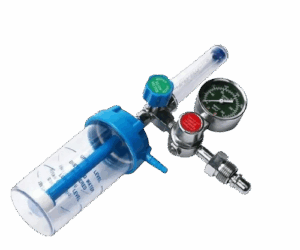
Valve & Regulator
Equipped with a valve to control gas flow and a regulator to reduce high pressure to a usable level.
Flow meters allow precise delivery rates (e.g., 1–15 liters per minute).
Cylinder Sizes
Available in various sizes (often labeled A to M or using liters):
Portable sizes: D (425 L), E (680 L), M6 (165 L)
Hospital/clinical sizes: G (6,800 L), H/K (7,800–8,600 L)
Size affects portability and duration of use.
Color Coding and Labeling
Cylinders are usually green or white (varies by country) for oxygen.
Clearly labeled as “Medical Oxygen” with purity, volume, and expiry details.
Portability
Smaller models come with carrying handles, trolleys, or shoulder bags.
Used in ambulances, home healthcare, and field clinics.
Safety Features
Equipped with burst discs or pressure relief valves to prevent explosions from overpressure.
Cylinders must meet safety and regulatory standards (e.g., FDA, ISO, CE, DOT).
Refillable or Disposable
Refillable cylinders are more common in hospitals and clinics.
Disposable cylinders (smaller, pre-filled) are used for short-term or emergency use.
Compatibility with Oxygen Delivery Devices
Connects to nasal cannulas, oxygen masks, ventilators, or CPAP/BiPAP machines depending on the patient’s needs.
🏥 Common Use Cases
Emergency resuscitation (ER, ambulance)
Post-surgical recovery
Chronic respiratory conditions (COPD, asthma)
Neonatal care
Home oxygen therapy.


Reviews
There are no reviews yet.