Need assistance? Call us at : 0704328523

-3% Off
Compare
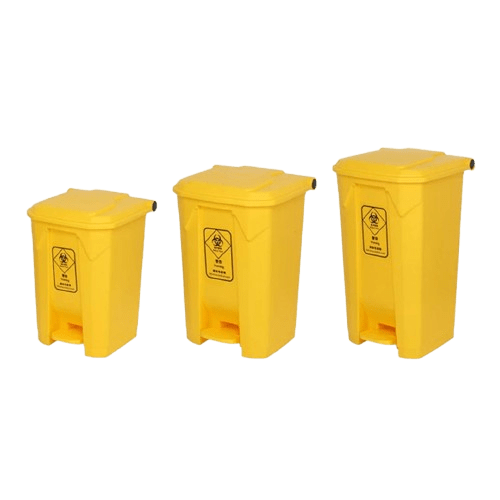
Medical Biohazard 30 liters pedal bin in Kenya.
Original price was: KSh 1,600.00.KSh 1,550.00Current price is: KSh 1,550.00.
Durable biohazard pedal bin for safe, hands-free disposal of medical waste. Easy to clean, marked with biohazard symbol, perfect for clinics and hospitals.
Description
Description
A color-coded hospital pedal bin is a type of waste disposal container designed specifically for healthcare settings. These bins use a pedal-operated lid (hands-free operation) and color-coded lids or entire bodies to help staff correctly segregate different types of medical waste. This segregation is essential for infection control, safety, and environmental compliance.
A pedal bin in the European market refers to a waste container equipped with a foot-operated pedal mechanism that opens the lid, allowing users to dispose of waste without using their hands. This design promotes hygiene and is particularly beneficial in environments where cleanliness is paramount, such as kitchens, offices, healthcare facilities, and public spaces.

Key Features of Pedal Bins in Europe
Hands-Free Operation: The foot pedal mechanism enables users to open the lid without touching it, reducing the spread of germs and promoting hygiene.
Variety of Materials: Pedal bins are available in various materials, including stainless steel, polypropylene, and polyethylene, catering to different durability and aesthetic preferences.
Capacity Range: They come in various sizes, typically ranging from 20 to 90 liters, to suit different waste disposal needs.
Design Variations: Some models feature dual compartments for waste separation, while others are designed for specific purposes, such as clinical waste disposal.
🔷 Key Features of a Hospital Pedal Bin:
1. Color Coding (for Waste Segregation)
Each color indicates a specific type of waste:
| Color | Waste Type | Typical Contents |
|---|---|---|
| Yellow | Clinical/Infectious Waste | Contaminated dressings, gloves, swabs |
| Orange | Infectious Waste (can be treated) | Items that may be autoclaved before disposal |
| Red | Anatomical Waste | Body parts, tissues |
| Blue | Pharmaceutical Waste | Expired or unused drugs |
| Black | Domestic/General Waste | Non-hazardous, everyday items |
| White with Purple Lid | Cytotoxic/Cytostatic Waste | Chemotherapy drugs or related items |
2. Pedal Operation
Hands-free operation reduces the risk of cross-contamination.
Improves hygiene and infection control.
3. Material
Typically made of durable plastic or stainless steel.
Resistant to corrosion, impact, and chemicals.
Easy to clean and disinfect.
4. Lid Design
Tightly sealed lids to prevent:
Odor release
Pest attraction
Accidental exposure
5. Capacity Options
Available in various sizes (e.g., 20L, 50L, 70L) to suit different hospital departments and waste volumes.
6. Mobility
Often include wheels or are lightweight for easy transport.
May have locking mechanisms for safety during transport.
7. Labeling and Signage
Often come with clear labels or stickers that identify the type of waste and safety precautions.
🏥 Why Are They Important in Hospitals?
Prevent infections and contamination
Ensure compliance with health and safety regulations
Facilitate proper waste treatment and disposal
Protect staff, patients, and the environment
Reviews (0)
Related products
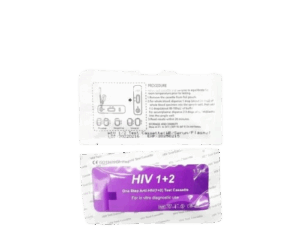
Medical HIV aids self test kit Kenya.
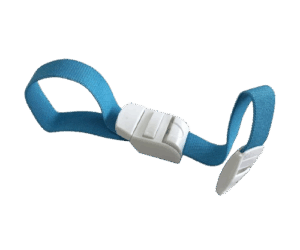
Original price was: KSh 200.00.KSh 199.00Current price is: KSh 199.00.Medical tourniquet in Kenya.
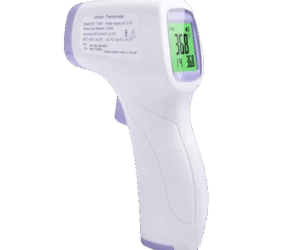
Original price was: KSh 185.00.KSh 180.00Current price is: KSh 180.00.Medical infrared thermogun thermometer in Kenya.
Original price was: KSh 1,450.00.KSh 1,400.00Current price is: KSh 1,400.00.Medical Sodium hypochlorite solution in Kenya.
Original price was: KSh 550.00.KSh 549.00Current price is: KSh 549.00.Medical laboratory syphilis rapid test kit/VDRL.
Original price was: KSh 1,100.00.KSh 1,099.00Current price is: KSh 1,099.00.Medical Autoclave Sterilization tape Kenya.
Original price was: KSh 430.00.KSh 429.00Current price is: KSh 429.00.Medical Malaria rapid test kit price in Kenya.
Original price was: KSh 960.00.KSh 950.00Current price is: KSh 950.00.Medical Laboratory centrifuge machine Kenya.
Original price was: KSh 7,600.00.KSh 7,500.00Current price is: KSh 7,500.00.


Reviews
There are no reviews yet.