Basic dental clinic starter pack

Here’s a practical starter pack checklist to help you set up a basic dental clinic in Kenya — the essentials you’ll want before treating your first patient. I’ve grouped items into categories so it’s easier to plan your budget and ordering. This is based on common dental practice requirements and Kenyan supply inventories.


🪑 Core Clinical Equipment

These are must-have machines that allow you to perform basic dental treatments:

1. Dental Chair & Unit

  • Adjustable patient chair

  • Built-in instrument tray, suction, spittoon & controls
    🔹 Often the biggest single purchase for a clinic.

2. Operating Light

  • Bright LED overhead light for visibility during procedures.

3. Suction Machine

  • Removes saliva/blood during treatment.

4. Autoclave / Sterilizer

  • For sterilizing instruments between patients.

5. Curing Light

  • Hardens composite filling material.


🛠️ Essential Instruments

A basic set of hand instruments used daily:

  • Mouth mirrors

  • Explorers/probes

  • Tweezers/forceps

  • Scalers & curettes

  • Extraction forceps & elevators

  • Dental syringes & local anesthetic needles

These should be stainless steel and autoclavable.


🧪 Consumables & Materials

Regularly used materials you need to stock up on:

👉 Restorative materials

  • Composite resin, glass ionomer cement

  • Etching gel & bonding agents

  • Filling materials & temporary cements

👉 Impression & model supplies

  • Alginate/silicone

  • Impression trays (adult & child)

  • Plaster/stone

👉 Protective disposables

  • Gloves (various sizes), masks

  • Face shields / goggles

  • Sterilization pouches & surface disinfectants

👉 Other daily consumables

  • Cotton rolls, gauze, suction tips

  • Disposable cups, bibs, paper towels


🧰 Infection Control

Sterility and safety are critical in dental care:

  • Autoclave indicators / strips

  • Hand sanitizers / soap

  • Disinfectant sprays & wipes

  • Sharps containers & waste bins


🩺 Emergency & Support Items

For patient safety:

  • Blood pressure monitor & thermometer

  • Emergency drug kit (e.g., antihistamines, epinephrine, glucose)

  • Oxygen tank & mask (optional but recommended)


📋 Admin & Patient Flow Essentials

Running a clinic isn’t just treatment:

  • Patient chairs and reception desk

  • Computer or tablet for records & billing

  • Appointment & record-keeping software

  • Printer/scanner for forms and consent


📦 Where to Source Supplies in Kenya

You can find equipment and materials from doctor ally east africa medical suppliers, who often deliver nationwide:


💡 Budget Considerations (Rough Ballpark)

Expect significant variation depending on brand and quality:

  • Dental chair & unit: Often a major cost item — hundreds of thousands of KSh.

  • Essential machines (autoclave, suction, curing light): Tens of thousands of KSh each.

  • Consumables & instruments: Budget based on initial stock — could range from tens to 100k+ KSh depending on volume and variety.
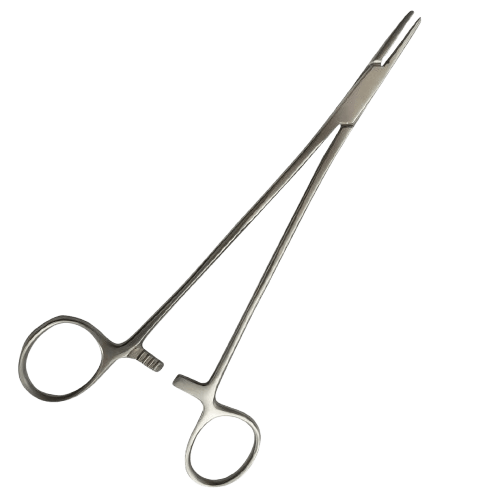
Things to consider before purchasing medical surgical sets.

When purchasing medical surgical sets, there are several important factors to consider to ensure you get high-quality, reliable instruments that meet the needs of your practice or facility. Here’s a detailed list of key considerations:


Things to Consider Before Purchasing Medical Surgical Sets

  1. Purpose and Specialty

    • Identify the specific surgical specialty or procedures the set will be used for (e.g., general surgery, orthopedic, ENT, dental).

    • Ensure the set includes instruments tailored to those procedures.

  2. Quality and Material

    • Choose instruments made from high-grade stainless steel (like surgical-grade 316L) for durability, corrosion resistance, and ease of sterilization.

    • Avoid cheaper materials that can rust or degrade quickly.

  3. Completeness of the Set

    • Verify that the set contains all essential instruments needed for intended surgeries.

    • Check if it includes common and specialty tools (e.g., scalpels, forceps, scissors, needle holders, retractors).

  4. Ergonomics and Design

    • Instruments should have comfortable grips and well-balanced weight for ease of handling during long surgeries.

    • Check for smooth, precise joint movement (hinges, ratchets).

  5. Sterilization Compatibility

    • Ensure instruments can withstand autoclaving and other sterilization methods without damage.

    • Consider if the set comes with a sterilization tray or case.

  6. Reputation and Certification

    • Purchase from trusted manufacturers or suppliers with certifications such as ISO 13485 or compliance with FDA, CE standards.

    • Check for warranties or guarantees.

  7. Instrument Finish

    • Look for instruments with a mirror or satin finish, depending on preference and application.

    • Satin finish reduces glare; mirror finish offers easier cleaning.

  8. Customization and Modularity

    • Some suppliers offer modular sets or customizable kits based on your surgical needs.

    • This flexibility can optimize cost and functionality.

  9. Budget and Cost-effectiveness

    • Balance between cost and quality — don’t compromise quality to save money.

    • Consider long-term durability and maintenance costs.

  10. Ease of Maintenance and Repair

    • Check availability of replacement parts or repair services.

    • Prefer instruments that can be easily maintained and sharpened if necessary.

  11. Packaging and Storage

    • Ensure sets come in protective, organized cases or trays to prevent damage and facilitate sterilization.

    • Consider storage space and ease of transport.

  12. User Feedback and Reviews

    • If possible, get feedback from other surgeons or healthcare providers about the set’s performance.

    • Look for user reviews or clinical endorsements.


Summary

When purchasing medical surgical sets, focus on quality, completeness, ergonomics, sterilization compatibility, and certifications, while balancing your budget. Investing in well-made, reliable instruments ensures surgical precision, patient safety, and long-term value. Would you like help with recommended suppliers or specific types of surgical sets?

Do’s and dont’s incase of a snake bite.

Do’s and dont’s incase of a snake bite.

Here are do’s and don’ts in case of a snake bite, which are crucial to reduce the risk of serious injury or death:


🟢 DO’s (What You Should Do)

  1. Stay Calm

    • Try to remain as calm and still as possible. Panic increases heart rate, which can spread the venom faster.

  2. Call Emergency Services Immediately

    • Get medical help right away. Time is critical.

  3. Keep the Affected Limb Immobilized

    • Use a splint or sling to immobilize the bitten area, keeping it below the level of the heart to slow venom spread.

  4. Remove Tight Clothing or Jewelry Near the Bite

    • Swelling can occur quickly; remove rings, watches, or tight garments.

  5. Note the Snake’s Appearance (if safe)

    • Try to remember the color, size, and markings of the snake for identification, but don’t attempt to catch or kill it.

  6. Lie Down or Sit Still

    • Rest while waiting for medical help. Movement increases venom circulation.


🔴 DON’Ts (What You Should Avoid)

  1. Do Not Suck the Venom

    • This is ineffective and can cause more harm or introduce infection.

  2. Do Not Cut the Wound

    • Cutting the bite site can worsen tissue damage and cause infection.

  3. Do Not Apply Ice or Cold Packs

    • This can restrict blood flow and worsen tissue damage.

  4. Do Not Use a Tourniquet

    • It can stop blood flow entirely and cause severe damage or loss of the limb.

  5. Do Not Drink Alcohol or Caffeine

    • These substances can speed up the absorption of venom.

  6. Do Not Attempt to Catch or Kill the Snake

    • You risk being bitten again.


🏥 After Medical Help Arrives

  • Follow all medical advice.

  • Antivenom may be administered depending on the type of snake.

Add to cart