Need assistance? Call us at : 0704328523


-0% Off
Compare
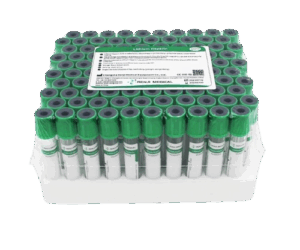
Medical laboratory Micro EDTA vacutainer in Kenya.
Original price was: KSh 1,200.00.KSh 1,199.00Current price is: KSh 1,199.00.
shop and learn how to use Micro EDTA Vacutainer for low-volume blood collection. Ideal for labs needing accurate, anticoagulated samples in small quantities.
Description
Description
🧪 What is a Micro EDTA Vacutainer?
A micro EDTA vacutainer is a small-volume blood collection tube pre-filled with EDTA (Ethylenediaminetetraacetic acid), an anticoagulant that prevents blood from clotting by binding calcium. It is specifically designed for collecting small blood samples, often from infants, neonates, or patients with difficult venous access.
A micro EDTA tube is a small‑volume specimen collection tube designed for capillary (skin‑puncture) blood collection in situations where only minimal blood volume is available (e.g. infants, neonates, small laboratory tests). It contains the anticoagulant EDTA (ethylene diamine tetraacetic acid), which chelates calcium ions and prevents clotting, thus preserving whole blood for hematologic analysis (e.g. CBC, differential, platelet counts).
These tubes are typically constructed of plastic (e.g. polypropylene) and incorporate features such as color‑coded caps (lavender or purple for EDTA), visible fill lines, and closures that minimize leakage or splatter. CNMeditech+3Sarstedt+3Unicat+3
Micro EDTA Vacutainers – Reliable Blood Collection Tubes for Laboratory Testing
Micro EDTA Vacutainers are essential laboratory consumables designed for the safe and accurate collection of capillary blood samples, especially in pediatric, neonatal, and small-volume blood testing. At Doctor Ally East Africa, we supply high-quality micro EDTA vacutainers suitable for medical laboratories, hospitals, diagnostic centers, and clinics across Kenya and East Africa.
These tubes contain EDTA anticoagulant, which prevents blood clotting and preserves cellular components for accurate hematology analysis.
Key Features of Micro EDTA Vacutainers
Pre-Measured EDTA Anticoagulant – Ensures proper blood-to-additive ratio
Ideal for Micro Blood Samples – Suitable for capillary and low-volume blood collection
Secure, Leak-Proof Cap – Minimizes contamination and sample loss
Clear Tube with Label Area – Allows easy sample identification and tracking
High-Quality Medical-Grade Plastic – Durable and shatter-resistant
Compatible with Standard Laboratory Analyzers – Suitable for routine hematology testing
Applications & Uses
Micro EDTA vacutainers are commonly used for:
Complete blood count (CBC) testing
Hematology and blood cell analysis
Pediatric and neonatal blood sampling
Diagnostic laboratory testing
Hospital and clinic laboratory procedures
Why Buy Micro EDTA Vacutainers from Doctor Ally East Africa?
Trusted laboratory consumables suppliers in Kenya & East Africa
Quality products suitable for professional diagnostic use
Competitive pricing for clinics, hospitals, and bulk procurement
Reliable stock availability and fast delivery across the region
Expert support for laboratory consumables and equipment
Product Specifications (Model Dependent)
Tube type: Micro EDTA vacutainer
Additive: EDTA anticoagulant
Sample type: Capillary blood
Material: Medical-grade plastic
Cap color: Standard EDTA color coding
Order Micro EDTA Vacutainers in Kenya Today
Ensure accurate and reliable blood test results with high-quality micro EDTA vacutainers from Doctor Ally East Africa.
📞 Contact us today +254704328523 to request a quote or place an order for laboratory blood collection tubes in Kenya and across East Africa.
Using micro EDTA Vacutainers correctly is essential for accurate blood sample collection, especially in pediatric or low-volume settings. Here’s a step-by-step guide:
✅ How to Use Micro EDTA Vacutainers
Prepare Your Equipment
Micro EDTA Vacutainer (lavender or purple cap)
Lancet or needle
Alcohol swab
Gloves
Gauze or cotton
Bandage
Perform Hand Hygiene & Wear Gloves
Always use standard precautions to prevent contamination and ensure safety.Identify the Patient
Confirm the patient’s identity and explain the procedure.Select the Puncture Site
For infants: Use the heel.
For older children or adults (if necessary): Use the finger (usually the ring or middle finger).
Clean the Puncture Site
Use an alcohol swab and allow the area to dry completely to prevent sample hemolysis.
Puncture the Skin
Use a sterile lancet for capillary collection.
Wipe away the first drop of blood.
Collect the Blood Sample
Hold the micro EDTA Vacutainer horizontally or slightly downward.
Let the blood flow into the tube by capillary action or gentle scooping.
Do not squeeze the puncture site excessively—it may dilute the sample with tissue fluid.
Fill to the Marked Volume
Fill the tube up to the indicated fill line to ensure the correct blood-to-anticoagulant ratio.
Gently Mix the Sample
Invert the Vacutainer 8–10 times immediately after collection to mix the blood with the EDTA anticoagulant.
Do not shake—this can cause hemolysis.
Label and Store
Label the tube immediately with patient details.
Store according to lab guidelines (usually at room temp or refrigerated, depending on timing).
⚠️ Important Notes:
Always use within the expiry date.
Micro EDTA tubes are typically used for CBC (complete blood count) and related hematology tests.
Follow local clinical and lab protocols.
- 🧫 Common Test Applications
Complete Blood Count (CBC)
Hemoglobin/Hematocrit
Blood films/smears
Reticulocyte count
Malaria parasite tests
👶 Ideal For:
Neonatal and pediatric care
Geriatric or oncology patients with fragile veins
Point-of-care or low-volume sample settings
Reviews (0)
Related products
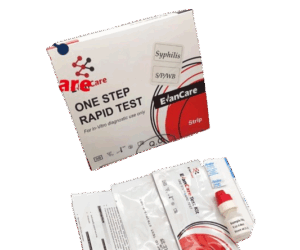
Medical laboratory syphilis rapid test kit/VDRL.
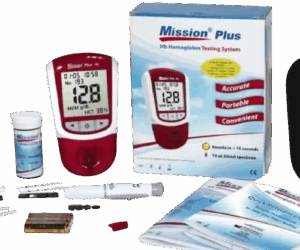
Original price was: KSh 1,100.00.KSh 1,099.00Current price is: KSh 1,099.00.Medical Mission plus HB meter Kenya.
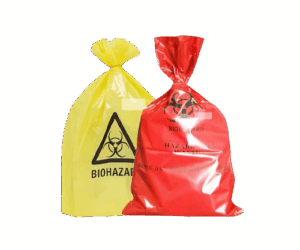
Original price was: KSh 10,000.00.KSh 9,800.00Current price is: KSh 9,800.00.Medical biohazard bin liners in Kenya.
Original price was: KSh 22.00.KSh 20.00Current price is: KSh 20.00.Medical Malaria rapid test kit price in Kenya.
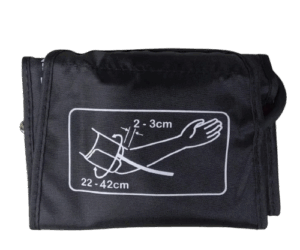
Original price was: KSh 960.00.KSh 950.00Current price is: KSh 950.00.Medical Blood pressure monitor cuff.
Original price was: KSh 1,050.00.KSh 1,000.00Current price is: KSh 1,000.00.Laboratory Sodium Heparin vacutainer Kenya.
Original price was: KSh 1,300.00.KSh 1,299.00Current price is: KSh 1,299.00.Medical Oncall glucometer strips in Kenya.
Original price was: KSh 700.00.KSh 670.00Current price is: KSh 670.00.Medical HIV aids self test kit Kenya.
Original price was: KSh 200.00.KSh 199.00Current price is: KSh 199.00.

Reviews
There are no reviews yet.